Garbage Disposal Repair in Auburn AL: Jams to Replacement
Garbage disposals work hard in Auburn kitchens, grinding through everything from coffee grounds to food scraps day after day. When yours starts acting up—whether it's jamming, humming without grinding, or leaking under the sink—you need reliable repair solutions that get your kitchen back to normal quickly. Understanding the common problems and repair approaches helps you make informed decisions about whether to fix or replace your unit.
Common Garbage Disposal Problems and Symptoms
Most garbage disposal issues in Auburn homes fall into predictable categories. A disposal that hums but won't grind usually indicates a jam, where something is preventing the flywheel from turning. This happens when hard objects like bones, fruit pits, or silverware accidentally fall into the unit. The motor runs, but the grinding mechanism can't move.
Disposals that won't turn on at all often have electrical issues. The reset button on the bottom of the unit may have tripped due to overheating, or there could be problems with the wall switch or circuit breaker. Before assuming mechanical failure, check these simple electrical components first.
Leaking disposals present another common problem. Water may drip from the bottom mounting assembly where the disposal connects to the sink, from the side where the dishwasher drain hose attaches, or from the bottom of the unit itself. Each leak location points to different repair needs and costs.
Grinding performance issues develop gradually. Your disposal might still run but struggle with normal food waste, make excessive noise, or fail to clear debris properly. These symptoms often indicate worn grinding components, loose mounting hardware, or buildup inside the grinding chamber.
Jam Clearing and Mechanical Repairs
Clearing jammed disposals requires the right approach to avoid damage and injury. Start by turning off power at the circuit breaker—never just the wall switch. Most disposals include an Allen wrench that fits into the hex socket on the bottom of the unit. Turning this manually can free stuck flywheel assemblies.
For stubborn jams, you may need to remove objects from the top. Use tongs or pliers, never your hands, to extract visible debris from the grinding chamber. Flashlights help locate problem items that may be wedged in the grinding mechanism. Sometimes ice cubes can help break up accumulated grease and debris while providing abrasive action to clean the grinding surfaces.
Worn grinding components require more extensive repair. The flywheel, grinding ring, and impellers wear down over years of use, reducing grinding efficiency. Professional repair involves disassembling the unit, replacing worn parts, and ensuring proper reassembly with correct torque specifications.
Motor problems present complex repair decisions. Burned-out motors, damaged bearings, or electrical component failures often cost more to repair than replacement makes economic sense. Auburn homeowners typically find replacement more practical when motor issues develop in units over five years old.
Electrical Troubleshooting and Connections
Garbage disposal electrical problems range from simple resets to complex wiring issues. The reset button on the unit's bottom provides overload protection and should be pressed whenever the disposal stops working. If it immediately pops back out, the unit may still be jammed or overheating.
Wall switch problems affect disposal operation frequently. Switches wear out from regular use, develop loose connections, or suffer damage from kitchen moisture. Testing involves checking for power at the switch and verifying proper voltage reaches the disposal unit.
Circuit breaker issues can cause intermittent disposal problems. Auburn homes with older electrical systems sometimes have undersized circuits for garbage disposals, leading to frequent tripping. Professional electrical evaluation determines whether circuit upgrades are necessary for reliable operation.
Dishwasher connection problems create unique challenges. Many disposals connect to dishwasher drain lines, and issues with this connection can affect both appliances. Proper diagnosis requires understanding both systems and their interaction points.
Leak Detection and Sealing Solutions
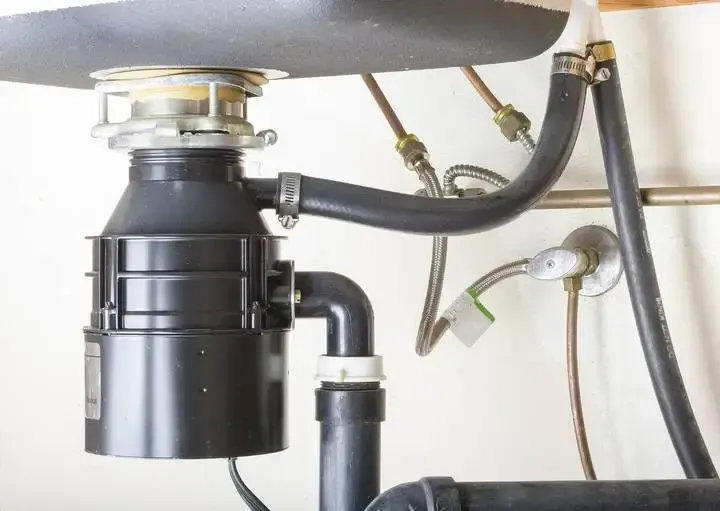
Garbage disposal leaks develop at several common points, each requiring different repair approaches. The upper mounting assembly connects the disposal to the sink drain and relies on proper gasket compression and secure clamp tightening. Leaks here often result from loose connections or deteriorated gaskets.
Dishwasher connection leaks occur where the drain hose clamps to the disposal's side port. These connections depend on tight hose clamps and good hose condition. Over time, hoses become brittle and clamps lose compression, allowing water to escape during dishwasher drain cycles.
Bottom leaks indicate more serious problems. Water coming from the disposal's lower housing suggests internal seal failure, cracked housing, or severe corrosion damage. These issues typically require unit replacement rather than repair, especially in older disposals.
For Auburn homeowners dealing with common toilet failures and fixes, similar diagnostic thinking applies to garbage disposals—identifying the leak source determines the most effective repair approach and helps estimate realistic costs.
Performance Issues and Grinding Problems
Grinding performance deteriorates gradually as disposal components wear. Poor grinding manifests as larger food particles in drain water, longer grinding times, or frequent clogs in connecting drain pipes. These problems often develop so slowly that homeowners adapt without realizing performance has declined significantly.
Blade sharpness myths persist around garbage disposals. Most units don't actually have traditional blades but use impellers that force food waste against fixed grinding rings. Sharpening isn't possible, but cleaning away buildup can restore some grinding effectiveness.
Grinding chamber accumulation reduces disposal efficiency. Grease, soap residue, and fine food particles build up on internal surfaces, creating rough textures that interfere with proper grinding action. Regular cleaning with ice, cold water, and biodegradable degreasers helps maintain performance.
Drain connection problems affect disposal operation even when the unit itself functions properly. Slow-draining sinks cause water to back up into the disposal, reducing grinding efficiency and potentially causing leaks or motor strain. Addressing drain issues often improves disposal performance significantly.
When Replacement Makes More Sense Than Repair
Age plays a crucial role in repair versus replacement decisions. Garbage disposals typically last eight to fifteen years with regular use. Units approaching or exceeding ten years often benefit more from replacement than expensive repairs, especially when multiple problems develop simultaneously.
Cost analysis requires honest assessment of current problems plus likely future issues. A five-year-old disposal with a simple jam makes sense to repair. The same unit with motor problems, multiple leaks, and worn grinding components probably needs replacement for long-term reliability.
Energy efficiency improvements in newer disposals can justify replacement even when repairs are possible. Modern units often run quieter, grind more effectively, and use less water than older models. These improvements may offset replacement costs through reduced utility bills and better kitchen experience.
Capacity considerations matter for growing families or changing cooking habits. Replacing a small, struggling disposal with a larger, more powerful unit can transform kitchen cleanup efficiency. Auburn families often find this upgrade worthwhile during kitchen remodeling or when disposal problems coincide with other plumbing work.
Auburn-Specific Installation and Code Considerations
Auburn building codes affect garbage disposal installation and replacement projects. Local requirements for electrical connections, drain configurations, and permit needs vary from other Alabama communities. Professional installation ensures compliance with current Auburn standards and proper integration with existing plumbing systems.
Water pressure variations across Auburn can impact disposal performance and installation requirements. Areas with low water pressure may need specific disposal models or additional considerations for proper operation. Local plumbing professionals understand these regional factors and can recommend appropriate solutions.
Septic system compatibility becomes crucial for Auburn homes not connected to city sewer systems. Garbage disposals increase the organic load on septic systems and may require more frequent pumping or system modifications. Professional assessment determines whether your septic system can handle disposal addition or continued use.
Homeowner association restrictions in some Auburn neighborhoods limit disposal installation or replacement options. Understanding these requirements before starting work prevents delays and ensures compliance with community standards.
Professional Service and DIY Limitations
Simple garbage disposal maintenance falls within most homeowners' capabilities. Clearing minor jams, pressing reset buttons, and basic cleaning can be handled safely with proper precautions. However, electrical work, plumbing connections, and complex mechanical repairs require professional expertise.
Safety concerns make professional service worthwhile for many disposal problems. Electrical shock risks, sharp metal edges, and the potential for severe cuts during repair work create hazards that outweigh potential savings from DIY attempts. Garbage Disposal Repair professionals have the tools and experience to work safely on these units.
Warranty preservation requires professional installation and repair for many disposal brands. DIY work may void warranties, leaving homeowners responsible for replacement costs that would otherwise be covered. Understanding warranty terms helps make informed decisions about professional versus DIY approaches.
Tool requirements for disposal work extend beyond basic household tools. Specialized wrenches, electrical testing equipment, and plumbing tools make professional service more efficient and effective than attempting repairs with inadequate equipment.
Long-term Maintenance and Prevention
Regular maintenance extends garbage disposal life and prevents many common problems. Running cold water during and after grinding helps solidify grease for easier grinding and transport through drain pipes. Hot water can actually cause problems by liquefying grease that later solidifies in drain lines.
Proper use prevents most disposal problems. Avoiding fibrous materials like celery stalks, grease and oil, bones, and non-food items protects grinding components and prevents jams. Many Auburn homeowners could avoid repair calls by understanding what belongs in their disposal and what doesn't.
Cleaning routines keep disposals functioning smoothly. Ice cubes provide abrasive cleaning action, while citrus peels help control odors. Commercial disposal cleaners or simple baking soda and vinegar treatments remove buildup and maintain proper drainage.
Professional maintenance visits can identify developing problems before they require emergency repairs. Annual or bi-annual inspections allow technicians to spot wear patterns, loose connections, or performance issues that indicate future problems. This proactive approach often saves Auburn homeowners money through preventive maintenance rather than crisis repairs.
Need this handled now? Our garbage disposal repair team in Auburn, AL covers it, and Garbage Disposal Humming but Not Spinning in Auburn AL walks through a related scenario.
