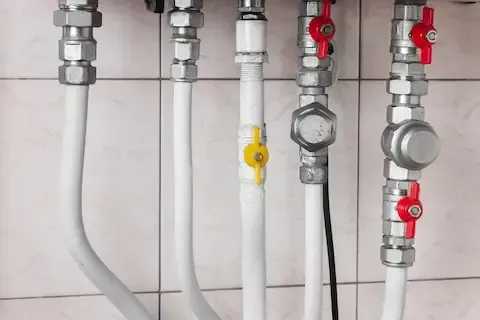
Detect a Gas Leak in Your Auburn AL Home: 5 Warning Cues
A gas leak in your Auburn, AL home shows up through five clear warning cues: a rotten-egg or sulfur smell near appliances or gas lines, a hissing or whistling sound close to pipes or meters, dead or discolored vegetation in an otherwise healthy yard, physical symptoms like headaches or dizziness indoors, and unexplained spikes on your monthly gas bill. If you notice any one of these signs, leave the house immediately, avoid switches or flames, and call your gas provider and a licensed plumber before re-entering. Speed matters — natural gas leaks can escalate to fire or carbon monoxide exposure within minutes.
What Does a Gas Leak Smell Like in an Auburn Home?
Natural gas is odorless by nature, so utility companies add a chemical called mercaptan to give it a distinctive rotten-egg or sulfur odor. If you catch that smell near your stove, water heater, furnace, or anywhere along a gas line — even faintly — treat it as a leak until proven otherwise. Many Auburn homeowners first notice the odor in a utility closet, basement, or crawl space where appliances sit in confined areas. Do not assume the smell will fade on its own. Even a small, slow leak can accumulate dangerous concentrations in an enclosed space faster than most people expect.
What Does a Hissing Sound Near Gas Lines Mean?
A hissing, whistling, or rushing sound near a gas appliance, meter, or buried line is one of the most direct physical indicators of escaping gas. The sound occurs because pressurized gas forces itself through a crack, loose fitting, or corroded joint. In Auburn homes built before the 1990s, older flexible connectors and cast-iron supply lines are particularly prone to this type of failure. Check behind dryers, near your water heater, and around the outdoor meter. If you hear any hissing that you cannot immediately attribute to a normal appliance function like a pressure relief valve releasing, stop what you are doing and evacuate before calling for help.
Why Would Yard Vegetation Die in a Specific Patch?
Underground gas lines run beneath many Auburn, AL properties, especially in neighborhoods served by Spire Energy. When a buried line develops a leak, escaping gas displaces oxygen in the soil, starving plant roots. The result is a patch of dead, yellowing, or stunted grass or vegetation that stands out from the surrounding yard — even during periods of adequate rain. If that dead patch forms a line or follows the known path of a utility easement, take it seriously. You may also notice dirt blowing upward from the ground or small bubbles forming in standing water after rain, both additional signs of underground gas migration.
What Physical Symptoms Signal Indoor Gas Exposure?
Low-level gas exposure affects your body before you even smell anything strong. Symptoms include persistent headaches, dizziness, nausea, eye or throat irritation, and unusual fatigue. These symptoms often improve when you step outside, which is a key diagnostic clue. Pets may also show signs of distress — lethargy, pawing at their face, or reluctance to enter certain rooms — before humans notice anything. If multiple people in your Auburn household experience these symptoms simultaneously and feel better outdoors, do not return inside until a professional has inspected the property. Prolonged exposure can cause more serious neurological effects.
Can a High Gas Bill Indicate a Leak?
Yes. An unexplained increase on your Spire gas bill — one that does not match changes in season, appliance use, or household size — can point to a slow leak somewhere in your supply lines or at an appliance connection. A leak does not have to be dramatic to waste gas. Even a pinhole breach in a fitting can bleed enough gas over a month to noticeably affect your bill. If your usage has climbed without an obvious reason, cross-reference it against the other four warning signs. When two or more cues appear together, the likelihood of an actual leak increases significantly.
What Should You Do Immediately If You Suspect a Gas Leak?
Your first priority is to get everyone, including pets, out of the house. Do not flip light switches, use your phone inside, start a car in an attached garage, or do anything that could produce a spark. Leave doors open as you exit to allow ventilation, but do not go back in to open windows. Once you are safely outside and away from the structure, call Spire's emergency line or 911 from a neighbor's phone or from the street. After the scene is cleared, contact Gas Line Services from a licensed Auburn plumber to inspect, locate, and repair the source before gas is restored to the home.
How Are Gas Leaks Detected and Repaired Professionally?
A licensed plumber uses combustible gas detectors, pressure testing, and soap-bubble testing on fittings to pinpoint the exact location of a leak. In Auburn, AL, any repair to a gas supply line inside or outside the home must be performed by a licensed contractor and, in most cases, inspected before gas service is restored. DIY repairs are not permitted under Alabama code and are genuinely dangerous. Once the repair is complete, the technician pressure-tests the entire affected section to confirm integrity. For related appliance concerns, reviewing gas water heater pilot light fixes can help you understand when appliance issues are separate from line problems.
