Hydro Jetting vs Snaking for Auburn AL Sewer Lines
Hydro jetting and snaking are the two main methods for clearing Auburn, AL sewer lines, but they solve different problems. Snaking uses a metal auger to punch a hole through a clog, restoring basic flow quickly and affordably. Hydro jetting blasts water at up to 4,000 PSI to scour the pipe walls completely clean, removing grease buildup, mineral scale, and intruding roots. For a simple occasional blockage, snaking is usually enough. For recurring clogs or heavy buildup common in older Auburn neighborhoods, hydro jetting delivers a more lasting result. The right choice depends on your pipe condition, clog type, and budget.
What Is the Difference Between Hydro Jetting and Snaking?
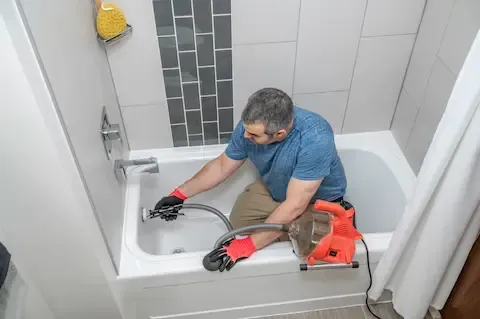
A drain snake, also called a plumber's auger, is a long flexible steel cable with a cutting head at the tip. A technician feeds it into the drain until it reaches the clog, then rotates it to break the obstruction apart or pull it out. The process is fast, low-cost, and effective on soft blockages like hair or food debris. However, snaking only clears a channel through the clog. Grease, scale, or root tendrils clinging to the pipe walls remain behind and continue to catch debris, which is why the same drain may clog again within weeks or months.
Hydro jetting sends a high-pressure stream of water through a specialized nozzle that sprays in multiple directions simultaneously. It strips away everything adhered to the inner pipe surface, flushing the debris downstream and out of the system. The result is a pipe that is as close to original diameter as physically possible without mechanical cleaning or replacement. Drain Cleaning performed with hydro jetting typically keeps lines clear significantly longer than snaking alone.
When Should You Choose Snaking Over Hydro Jetting?
Snaking is the right call in several common situations Auburn homeowners encounter regularly:
- First-time clogs with no history of recurrence in that drain
- Soft blockages caused by hair, food particles, or small foreign objects
- Older clay or cast-iron pipes in pre-1970s Auburn homes that may not tolerate high water pressure
- Emergency situations where you need fast flow restoration at minimal cost
- Frozen or fragile pipe sections where water pressure could cause further damage
Snaking is also preferred when a camera inspection has not yet been completed and pipe condition is unknown. Running hydro jetting through a pipe with cracks, corrosion, or misaligned joints can worsen existing damage. A professional will typically recommend a camera inspection before deciding whether to snake or jet a problem line.
When Does Hydro Jetting Make More Sense in Auburn?
Auburn's mix of older university-area housing stock and newer subdivisions near Highway 280 creates varied sewer line conditions across the city. Homes in established neighborhoods like Cary Woods or near Samford Avenue often have pipes from the 1950s and 1960s that have accumulated decades of grease, sediment, and tree root intrusion from mature landscaping. Snaking these lines repeatedly treats symptoms without addressing the underlying buildup.
Hydro jetting makes more sense when:
- Clogs recur within three to six months of a previous snaking service
- Multiple drains slow down simultaneously, indicating a main line restriction rather than an isolated fixture clog
- Grease-heavy lines from kitchen sinks in homes where cooking fats have built up over years
- Root intrusion has been confirmed by camera inspection but has not yet compromised pipe structure
- Pre-sale inspections where a clean sewer line is needed for documentation purposes
Understanding what causes recurring kitchen sink clogs can also help you determine whether the problem originates at the fixture level or deeper in the main sewer line, which directly influences whether snaking or hydro jetting is the appropriate response.
Is Hydro Jetting Safe for All Auburn Sewer Lines?
Not always. High-pressure water is powerful enough to enlarge existing cracks or dislodge deteriorating pipe sections. Older terra cotta or Orangeburg pipe, which was used in Auburn-area construction through the 1960s and early 1970s, can be particularly vulnerable. A licensed plumber should run a camera inspection first to assess pipe material and condition before recommending hydro jetting. PVC and ABS plastic pipe common in homes built after 1980 generally handles hydro jetting without issue. Schedule 40 PVC, used widely in Auburn subdivisions developed during the city's growth period around Auburn University, is rated well above the pressures used in standard jetting services.
What Does Each Method Cost in Auburn, AL?
Snaking a single drain in Auburn typically costs between $100 and $250 depending on access difficulty and the depth of the clog. Hydro jetting a main sewer line generally runs between $300 and $600, with variables including line length, degree of buildup, and whether a camera inspection is included in the service call. While jetting costs more upfront, homeowners who have paid for three or four snaking visits in a single year often find that a single jetting service is more economical when viewed across a 12-month period.
Which Method Do Auburn Plumbers Recommend First?
Most licensed Auburn plumbers follow a step-based approach. They start with a camera inspection to understand what is actually inside the pipe, then recommend snaking for straightforward clogs and hydro jetting for systemic buildup or confirmed root intrusion. In Auburn's older tree-lined residential areas, root problems are common enough that hydro jetting is frequently the appropriate first treatment once pipe integrity has been confirmed. For newer homes in developments east of Auburn University toward Opelika, snaking is often sufficient for the isolated clogs that occur in younger pipe systems.
