Leak Detection in Auburn AL: Thermal Imaging to Acoustic
Understanding Leak Detection Technology in Auburn
Professional leak detection in Auburn, AL has evolved far beyond the days of tearing up walls and floors to locate hidden water leaks. Today's advanced detection methods use sophisticated technology to pinpoint the exact location of leaks without causing unnecessary damage to your property. Understanding these different detection methods helps Auburn homeowners make informed decisions when faced with mysterious water bills, damp spots, or the sound of running water when all fixtures are turned off.
The choice of detection method depends on several factors including the type of plumbing system, the suspected location of the leak, accessibility, and the specific symptoms you're experiencing. Each technology offers unique advantages for different leak scenarios, and professional plumbers often combine multiple methods to ensure accurate detection and minimize property disruption.
Thermal Imaging Detection Systems
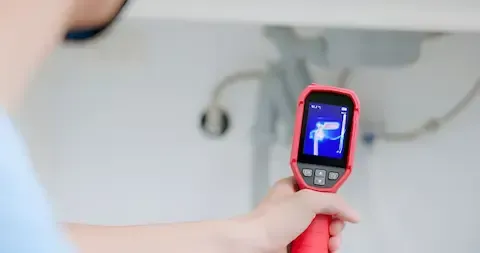
Thermal imaging represents one of the most sophisticated approaches to leak detection, using infrared technology to identify temperature variations that indicate water intrusion. This method works by detecting the thermal signature differences between dry and wet areas within walls, floors, and ceilings. Water leaks typically create cooler spots due to evaporation and thermal conductivity differences.
Professional thermal cameras can detect temperature variations as small as 0.1 degrees Celsius, making them extremely sensitive to even minor leaks. The technology proves particularly effective for detecting leaks behind walls, under floors, and within ceiling spaces where traditional visual inspection isn't possible. Auburn's climate variations make thermal imaging especially valuable, as seasonal temperature changes can mask or reveal leak signatures depending on timing.
The non-invasive nature of thermal imaging makes it ideal for Auburn homeowners concerned about property damage during detection. The process involves scanning suspected areas with handheld thermal cameras, creating detailed thermal maps that highlight anomalies. Professional technicians can often complete entire home thermal scans within a few hours, providing comprehensive leak assessment without any structural disruption.
However, thermal imaging has limitations. It requires temperature differentials to be effective, meaning very slow leaks or leaks in areas with consistent temperatures might not show clear thermal signatures. Additionally, other factors like heating systems, electrical components, or recent water usage can create thermal variations that require expert interpretation to distinguish from actual leaks.
Acoustic Listening Technology
Acoustic leak detection relies on the principle that pressurized water escaping through pipes creates distinct sound frequencies that can be isolated and located using specialized listening equipment. This method proves particularly effective for detecting leaks in pressurized water supply lines, where the escaping water generates characteristic sounds ranging from hissing to gurgling depending on leak size and pressure.
Professional acoustic equipment includes ground microphones, listening sticks, and electronic amplification systems that can detect leak sounds through various materials including concrete, soil, and building materials. The technology allows technicians to trace leak sounds along pipe runs, gradually narrowing down the exact location through systematic sound intensity measurement.
In Auburn's residential areas, acoustic detection works exceptionally well for underground service lines, slab leaks, and leaks within wall cavities. The method requires quiet conditions for optimal accuracy, making early morning or late evening the preferred times for acoustic detection work. Professional technicians train extensively to recognize leak sound signatures and distinguish them from other mechanical noises like water heaters, pumps, or HVAC systems.
The main limitation of acoustic detection involves low-pressure leaks or leaks in drain lines, which typically don't generate sufficient sound for reliable detection. Additionally, ambient noise from traffic, air conditioning systems, or other mechanical equipment can interfere with acoustic readings, requiring careful timing and environmental consideration.
Tracer Gas Detection Methods
Tracer gas detection involves introducing safe, inert gas mixtures into plumbing systems and using specialized sensors to detect gas escaping at leak points. This method proves particularly valuable for detecting leaks in drain lines, sewer systems, and low-pressure plumbing where other methods may be less effective.
The most common tracer gas mixture combines nitrogen and hydrogen in safe proportions that won't react with plumbing materials or pose health risks. Professional technicians inject the gas mixture into the system and use electronic sensors to detect gas concentrations at suspected leak locations. The sensors can detect extremely small gas concentrations, making this method highly sensitive for minor leaks.
For Auburn properties with complex plumbing layouts or multiple potential leak sources, tracer gas offers systematic detection capabilities. The method works well for testing specific sections of plumbing systems, allowing technicians to isolate problem areas before conducting more detailed investigation. Leak Detection professionals often use tracer gas to verify repair completeness after leak repairs.
Tracer gas detection requires system access for gas injection, making it less suitable for some emergency leak situations. The method also requires time for gas distribution throughout the system and careful ventilation considerations, particularly in enclosed spaces or basements common in Auburn area homes.
Ground Penetrating Radar Applications
Ground penetrating radar technology uses electromagnetic pulses to create subsurface images, making it valuable for detecting leaks in underground utilities and mapping pipe locations before excavation. This method proves particularly useful for Auburn properties where underground pipe layouts are unknown or where multiple utilities run in close proximity.
GPR systems emit high-frequency radio waves into the ground and analyze the reflected signals to create detailed subsurface maps. Different materials reflect radio waves differently, allowing technicians to distinguish between soil, pipes, water, and other subsurface features. Wet soil typically shows different radar signatures than dry soil, helping identify leak-affected areas.
The technology excels at mapping utility locations before repair work begins, preventing accidental damage to other underground systems. For Auburn's older neighborhoods where original utility maps may be inaccurate or incomplete, GPR provides current subsurface mapping that guides safe excavation practices.
GPR effectiveness varies with soil conditions, with clay soils common in parts of Auburn sometimes limiting penetration depth. Rocky or highly conductive soils can also affect radar performance, requiring experienced operators to interpret results accurately. The technology provides excellent mapping capabilities but may require confirmation with other detection methods for precise leak location.
Electronic Pipeline Locating
Electronic pipeline locating uses electromagnetic signals to trace buried utilities and identify their exact pathways, depths, and locations. While not a direct leak detection method, accurate pipeline location proves essential for efficient leak detection and safe repair work.
Professional locating equipment includes signal transmitters that connect to metal pipes or water systems, sending electromagnetic signals through the pipes. Handheld receivers detect these signals at ground surface, allowing technicians to trace pipe paths accurately. The method works with both conductive and non-conductive pipes when using appropriate signal application techniques.
For Auburn properties with extensive underground utilities or where pipe locations are uncertain, electronic locating prevents costly exploratory digging and reduces repair time. The technology helps establish search parameters for other detection methods and ensures repair crews access the correct utilities during excavation work.
The method requires conductive materials or tracer wire installation for non-metallic pipes. Some older Auburn properties may lack tracer wire on plastic utilities, limiting locating accuracy for these systems. Professional technicians often combine electronic locating with other methods to establish comprehensive subsurface mapping.
Video Pipe Inspection Technology
Video pipe inspection uses waterproof cameras mounted on flexible cables to provide direct visual assessment of pipe interiors, identifying leaks, blockages, and structural problems. This method offers definitive leak confirmation and helps assess repair requirements before work begins.
Professional video inspection equipment includes high-resolution cameras with LED lighting systems, capable of navigating through pipes ranging from small residential drains to larger sewer lines. Modern systems provide real-time video feed with recording capabilities, allowing detailed documentation of pipe conditions and leak locations.
The direct visual confirmation provided by video inspection eliminates guesswork in leak assessment and repair planning. For Auburn properties with recurring drain problems or suspected pipe deterioration, video inspection reveals actual pipe conditions including root intrusion, corrosion, joint separation, and structural damage.
Video inspection requires pipe access through cleanouts, fixtures, or excavated openings, making it unsuitable for pressurized water supply lines. The method works best on drain and sewer systems where camera access is available. Heavily blocked pipes may require initial cleaning before video inspection can be completed effectively.
Choosing the Right Detection Method for Auburn Properties
Selecting appropriate leak detection technology depends on several property-specific factors including plumbing system type, suspected leak location, urgency of the situation, and access constraints. Auburn's diverse housing stock, from historic downtown properties to modern suburban developments, often requires customized detection approaches.
For residential water supply leaks, thermal imaging and acoustic detection typically provide the best combination of accuracy and minimal disruption. Slab leaks in Auburn's concrete foundation homes often benefit from acoustic detection combined with ground penetrating radar for precise location before concrete cutting begins.
Drain and sewer line leaks frequently require tracer gas detection or video inspection for accurate assessment. Properties with complex underground utilities may need electronic locating before other detection methods can be applied effectively. The drain cleaning methods compared shows how detection often precedes proper cleaning and repair approaches.
Professional leak detection services typically combine multiple methods to ensure comprehensive assessment and minimize false positives. The investment in proper detection technology prevents unnecessary property damage and ensures repairs target actual problem areas rather than suspected locations.
Professional Detection vs. DIY Approaches
While basic leak detection tools are available for consumer purchase, professional-grade equipment and expertise provide significantly more accurate and reliable results. Auburn homeowners often discover that DIY detection attempts can identify general problem areas but lack the precision needed for efficient repairs.
Professional technicians bring not only sophisticated equipment but also extensive training in interpreting detection results and distinguishing between actual leaks and false readings. The combination of multiple detection technologies with expert analysis typically proves more cost-effective than repeated DIY attempts or exploratory excavation.
Emergency leak situations particularly benefit from professional detection capabilities, as rapid accurate location prevents extensive water damage and reduces repair costs. Auburn's clay soil conditions can complicate leak effects, making underground leaks particularly challenging for inexperienced detection efforts.
Professional leak detection services also provide documentation and warranty coverage that supports insurance claims and ensures repair quality. The comprehensive approach typical of professional services often reveals multiple issues that might be missed during limited DIY investigation.
Need this handled now? Our leak detection team in Auburn, AL covers it, and Reading Your Water Bill for Hidden Leaks in Auburn AL walks through a related scenario.
