Sewer Backup Causes & Response in Auburn AL Houses
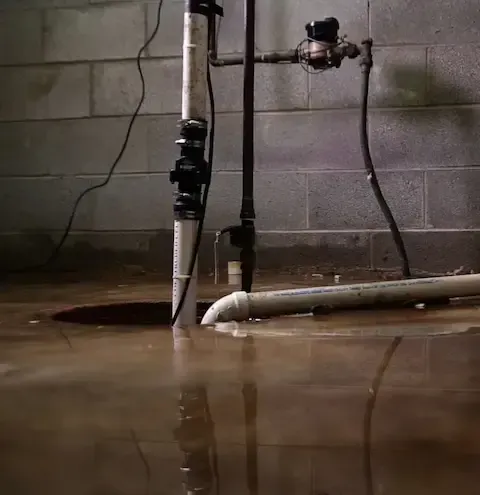
When sewage backs up into your Auburn home, you're dealing with more than just a messy inconvenience. Raw sewage contains dangerous bacteria, viruses, and parasites that pose serious health risks to your family. The contaminated water can damage flooring, furniture, and personal belongings while creating lingering odors that permeate throughout your house. Understanding what causes these backups and how to respond immediately can minimize property damage and protect your family's health during this stressful emergency.
Main Line Blockages and System Failures
The most common cause of sewer backups in Auburn homes stems from blockages in the main sewer line that connects your house to the city's municipal system. Tree roots naturally seek out moisture and nutrients, making your sewer pipes an attractive target. As Auburn's mature oak and pine trees grow, their roots can infiltrate even small cracks in older clay or cast iron pipes, eventually creating complete blockages.
Grease buildup represents another major culprit behind main line failures. When cooking oils, fats, and food particles wash down your kitchen drains over time, they solidify and accumulate along pipe walls. Combined with hair, soap residue, and other debris from bathroom drains, these substances form stubborn clogs that block normal sewage flow.
Aging infrastructure also contributes to backup problems throughout Auburn's established neighborhoods. Homes built before 1980 often have clay or cast iron sewer lines that deteriorate over decades of use. These materials can crack, collapse, or separate at joints, creating restrictions that cause sewage to back up into your home's lowest drains.
Heavy Rainfall and Municipal System Overload
Auburn's climate brings intense thunderstorms and heavy rainfall that can overwhelm the municipal sewer system. When stormwater infiltrates aging sewer lines through cracks and damaged joints, it dilutes the system's capacity and creates hydraulic overload conditions. During peak rainfall events, sewage has nowhere to go except back up through floor drains, basement toilets, and other low-lying fixtures.
Combined sewer systems, which handle both sewage and stormwater in the same pipes, become particularly vulnerable during Auburn's wet seasons. The East Alabama region typically sees its heaviest rainfall from December through April, coinciding with the time when many homeowners experience their worst sewer backup incidents.
Poor drainage around your home's foundation can exacerbate these problems by allowing surface water to seep into your lateral sewer line. When groundwater levels rise after prolonged rain, the additional pressure forces sewage back toward your house instead of flowing toward the main collection system.
Immediate Response and Safety Measures
Your first priority when discovering a sewer backup should focus on protecting your family's health and safety. Never attempt to clean up raw sewage without proper protective equipment. Evacuate the affected area immediately and keep children and pets away from contaminated zones until professional cleanup crews arrive.
Turn off electricity to any flooded areas where sewage has reached electrical outlets, fixtures, or appliances. Contact your utility company if you cannot safely access your electrical panel. Document the damage with photographs for insurance purposes, but avoid walking through contaminated water whenever possible.
Call for professional Emergency Plumbing services immediately, as time is critical in sewage backup situations. Professional plumbers have specialized equipment to identify blockage locations and restore normal flow quickly. They also understand local codes and regulations that govern sewage system repairs in Auburn.
Contact your insurance company to report the incident and understand your coverage options. Standard homeowner's policies often exclude sewer backup damage unless you've purchased additional coverage specifically for this type of loss.
Common Mistakes During Sewer Emergencies
Many Auburn homeowners make critical errors that worsen their sewer backup situations or create additional health hazards. Using chemical drain cleaners represents one of the most dangerous mistakes during an active backup. These products can react violently with sewage gases, creating toxic fumes or even explosions in enclosed spaces.
Attempting to clear main line blockages with standard household tools rarely succeeds and often pushes debris deeper into the system. Professional-grade equipment like motorized augers and high-pressure water jets are required to effectively remove tree roots and hardened grease deposits from main sewer lines.
Delaying professional intervention allows sewage to remain in contact with building materials longer, increasing damage and remediation costs. Porous materials like drywall, insulation, and carpeting must be removed and replaced after sewage exposure, regardless of cleaning attempts.
Failing to address underlying causes means recurring backups will continue plaguing your Auburn home. Simply clearing the immediate blockage without investigating root infiltration, pipe damage, or system capacity issues sets you up for repeated emergencies.
Local Considerations for Auburn Properties
Auburn's location in the East Alabama region presents unique challenges for residential sewer systems. The area's red clay soil expands and contracts significantly with moisture changes, creating pressure on buried pipes that can cause joints to separate or pipes to crack over time.
Many Auburn neighborhoods feature mature landscaping with large trees planted close to homes during original construction decades ago. While these trees provide valuable shade and aesthetic appeal, their extensive root systems pose ongoing threats to underground utilities including sewer lines.
The Auburn area has experienced significant residential growth, putting additional strain on aging municipal infrastructure. Some older neighborhoods may experience more frequent backup issues as increased usage exceeds the original system's design capacity. Understanding your neighborhood's infrastructure age and capacity limitations helps you make informed decisions about preventive maintenance and backup protection systems.
Local building codes and permit requirements in Auburn may affect repair options and costs. Working with plumbing contractors familiar with Lee County regulations ensures compliance with local standards and helps avoid delays in emergency repairs.
Professional Assessment and Prevention
Professional plumbers use video inspection technology to evaluate your sewer line's condition and identify potential problem areas before they cause backups. These cameras can detect root infiltration, pipe damage, and blockage buildup throughout your entire lateral line from house to street connection.
Regular maintenance services like hydro-jetting can remove accumulated debris and minor root intrusions before they develop into complete blockages. This preventive approach costs significantly less than emergency repairs and helps avoid the health hazards and property damage associated with sewage backups.
Consider installing a backwater valve or backup prevention system if your Auburn home has experienced previous incidents. These mechanical devices prevent sewage from flowing backward into your house during municipal system overload conditions, providing an additional layer of protection during heavy rainfall events.
For comprehensive guidance on emergency plumbing situations beyond sewer backups, review the 24/7 emergency response overview to understand when immediate professional intervention becomes necessary for various plumbing emergencies throughout your Auburn home.
Long-term Protection Strategies
Protecting your Auburn home from future sewer backups requires ongoing attention to your plumbing system's health and performance. Schedule annual video inspections to monitor your sewer line's condition and catch developing problems early. Address minor issues like small root intrusions or partial blockages before they escalate into emergency situations.
Maintain proper drainage around your home's foundation to minimize groundwater infiltration into your sewer system. Keep gutters clean and ensure downspouts direct water away from your house. Consider upgrading older sewer lines made from clay or cast iron to modern PVC materials that resist root intrusion and last longer in Auburn's challenging soil conditions.
Document your sewer system's layout and maintenance history for future reference. This information helps emergency responders work more efficiently and assists with insurance claims if backups do occur despite preventive measures.
