Auburn AL Sewer Line Repair: Trenchless to Excavation
When your sewer line fails in Auburn, Alabama, you face a decision that affects both your property and your wallet. Modern sewer line repair encompasses everything from minimally invasive trenchless methods to traditional excavation, each suited to specific damage patterns and soil conditions found throughout Lee County. Understanding your repair options helps you make informed decisions when underground infrastructure problems emerge.
Understanding Sewer Line Damage in Auburn Properties
Auburn's diverse housing stock, from historic homes near downtown to newer developments around Auburn University, presents unique sewer line challenges. Older clay and cast iron pipes succumb to root intrusion from mature oak and pine trees, while newer PVC systems may suffer from ground shifting or poor initial installation. The red clay soil common throughout the Auburn area can cause pipes to settle unevenly, creating breaks and blockages that require professional intervention.
Temperature fluctuations between Alabama's hot summers and occasional freezing winters contribute to pipe expansion and contraction. This thermal stress, combined with the region's heavy spring rains that saturate clay soils, creates conditions where sewer lines develop cracks, separate at joints, or collapse entirely. Recognizing early warning signs like slow drains, gurgling toilets, or sewage odors prevents minor issues from becoming major excavation projects.
Tree root infiltration represents the most common sewer line problem in Auburn's established neighborhoods. Roots seek moisture and nutrients, finding their way into even small pipe cracks. Once inside, they expand rapidly, creating blockages and eventually breaking pipes from the inside out. Professional sewer line repair services use specialized cameras to identify root damage before it requires complete pipe replacement.
Trenchless Sewer Repair Methods
Trenchless technology revolutionizes sewer line repair by eliminating the need to dig up entire pipe runs. Cured-in-place pipe (CIPP) lining involves inserting a resin-saturated liner into the existing pipe, then curing it with heat or UV light to create a new pipe within the old one. This method works exceptionally well for Auburn properties with minimal slope changes and pipes in relatively good structural condition.
Pipe bursting offers another trenchless solution where a bursting head breaks apart the old pipe while simultaneously pulling new piping into place. This technique suits situations where the existing pipe diameter needs upgrading or where CIPP lining cannot address the damage extent. Auburn contractors often recommend pipe bursting for properties with chronic root problems or severely deteriorated clay pipes.
Slip lining involves inserting a slightly smaller diameter pipe into the existing line, then sealing the annular space between them. While this reduces the pipe's internal diameter, it provides a long-term solution for structurally compromised lines without extensive excavation. The method works particularly well in Auburn's stable clay soils where ground conditions support the existing pipe structure.
Directional boring allows installation of completely new sewer lines with minimal surface disruption. This technique proves valuable when connecting to municipal systems or when existing pipes run beneath landscaping, driveways, or structures that property owners want to preserve. Auburn's relatively flat terrain in many residential areas makes directional boring a viable option for new line installations.
Traditional Excavation Methods
Open excavation remains necessary when trenchless methods cannot address the damage extent or when local codes require visual inspection of repairs. Auburn's municipal regulations specify certain situations where excavation is mandatory, particularly for connections to city sewer mains or when repairs affect public right-of-way areas.
Spot repairs involve excavating only the damaged section of pipe, typically 6-10 feet in length. This approach balances cost control with effective repair when damage is localized to specific joints or areas affected by root intrusion. Auburn contractors often use spot repairs for properties where most of the sewer line remains in good condition but specific sections need replacement.
Complete line replacement through excavation becomes necessary when pipes have deteriorated beyond repair or when upgrading from older clay or cast iron to modern PVC systems. This comprehensive approach, while more disruptive initially, provides decades of reliable service and often proves more cost-effective than repeated partial repairs.
The excavation process in Auburn requires careful attention to utility marking, as many properties have complex underground utility networks including gas, electrical, and telecommunications lines. Professional contractors coordinate with Alabama 811 to ensure all utilities are properly located before beginning excavation work.
Cost Factors and Timeline Considerations
Repair costs vary significantly based on method, pipe length, depth, and local conditions. Trenchless repairs typically cost $80-200 per linear foot, while excavation ranges from $50-150 per linear foot plus restoration costs. Auburn property owners should factor in landscaping restoration, driveway repair, and permit fees when budgeting for sewer line work.
Timeline considerations differ dramatically between methods. Trenchless repairs often complete within 1-2 days with minimal property disruption, while excavation projects may require 3-7 days depending on complexity and restoration requirements. Auburn's clay soil can extend excavation timelines during wet periods when equipment access becomes challenging.
Permit requirements in Auburn vary by repair type and location. Trenchless methods typically require simpler permits, while excavation work may need more extensive approvals, particularly for work near city rights-of-way or in historic districts. Obtaining proper permits prevents project delays and ensures compliance with local building codes.
Material costs fluctuate based on pipe diameter, depth requirements, and soil conditions. PVC pipe represents the most cost-effective option for most Auburn applications, while cast iron or specialized materials may be required for specific situations. Professional contractors provide detailed material specifications based on local conditions and code requirements.
Choosing the Right Repair Method
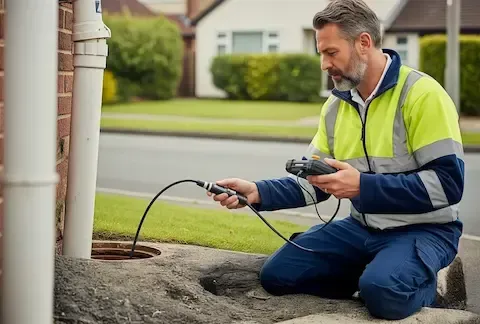
Video inspection provides the foundation for repair method selection. Professional cameras inserted through cleanouts or excavated access points reveal pipe condition, damage location, and soil infiltration patterns. This diagnostic information guides contractors in recommending the most appropriate repair approach for each situation.
Pipe material and age influence method selection significantly. Clay pipes over 50 years old often benefit from complete replacement, while newer PVC systems may only need spot repairs or lining. Auburn's mix of housing ages means contractors regularly encounter everything from 1920s clay systems to modern PVC installations.
Soil conditions affect both method selection and execution. Auburn's red clay provides excellent support for trenchless methods when stable, but becomes problematic during wet periods. Sandy soils in some Auburn areas may require additional support systems during excavation work.
Property layout considerations include landscaping, hardscaping, and structure proximity. Properties with mature trees, extensive gardens, or close building proximity often benefit from trenchless methods to preserve existing improvements. Conversely, properties requiring system upgrades or complete replacements may justify excavation costs.
Common Mistakes and Misconceptions
Many Auburn homeowners assume trenchless methods always cost more than excavation without considering restoration expenses. While trenchless repairs carry higher per-foot costs, eliminating landscaping restoration, driveway replacement, and cleanup often makes them more economical overall. Comprehensive cost comparisons should include all project phases, not just initial repair work.
Another misconception involves believing that newer pipes don't need professional inspection. Even PVC systems installed within the last decade can suffer from poor installation, ground settling, or root intrusion. Regular professional inspections identify problems before they require emergency repairs or extensive damage occurs.
Property owners sometimes delay repairs hoping problems will resolve themselves or that temporary fixes will suffice long-term. Sewer line problems invariably worsen over time, and delayed repairs often result in more extensive damage requiring costlier solutions. Early intervention through professional assessment prevents minor issues from becoming major expenses.
DIY repair attempts represent another common mistake that typically creates additional problems. Sewer line work requires specialized equipment, expertise, and permits that most property owners lack. Improper repairs can violate local codes, create health hazards, and result in more extensive damage requiring professional correction.
Auburn-Specific Considerations
Auburn University's presence creates unique sewer system demands, particularly in rental properties serving student populations. Higher usage levels and occasional misuse of plumbing systems can accelerate wear on sewer lines. Property owners in areas with high student rental concentrations should consider more frequent inspections and proactive maintenance.
The city's ongoing infrastructure improvements affect private sewer line connections. Auburn Water Works periodically upgrades main sewer lines, which may require private line modifications to maintain proper connections. Property owners should coordinate with city utilities when planning sewer line work to ensure compatibility with municipal systems.
Historic district properties in Auburn face additional considerations regarding excavation and restoration requirements. Some areas have restrictions on surface disruption that favor trenchless methods, while others require specific restoration materials or techniques to maintain historic character. Consulting with local planning departments helps ensure compliance with preservation requirements.
Auburn's growth patterns mean many established neighborhoods have aging sewer infrastructure approaching replacement age simultaneously. This creates opportunities for coordinated neighborhood repairs that can reduce individual costs through economies of scale. Property owners should explore group repair options when multiple homes on the same street need sewer line work.
Professional Selection and Project Management
Selecting qualified contractors requires verification of proper licensing, insurance, and local experience. Auburn's specific soil conditions and municipal requirements demand contractors familiar with local challenges. Requesting references from recent projects in similar Auburn neighborhoods provides insight into contractor capabilities and customer satisfaction levels.
Multiple quotes help property owners understand project scope and pricing variations. Reputable contractors provide detailed proposals including material specifications, timeline estimates, and restoration plans. Comparing proposals requires attention to included services, warranty terms, and permit handling responsibilities.
Project management involves coordinating inspections, permits, and restoration work. Professional contractors handle municipal coordination, but property owners should understand timeline expectations and potential complications. Clear communication about property access, utility shutoffs, and restoration preferences prevents misunderstandings during project execution.
Quality assurance includes video documentation of completed work and warranty provisions. Professional installations include post-repair camera inspections confirming proper installation and flow characteristics. Understanding warranty coverage for both materials and workmanship protects property owners from future problems related to repair quality. For comprehensive plumbing solutions beyond sewer repair, consider the tank vs tankless overview to understand how different water heating systems impact your overall plumbing infrastructure needs.
Need this handled now? Our sewer line repair team in Auburn, AL covers it, and Sewer Camera Inspection Walkthrough for Auburn AL Buyers walks through a related scenario.
