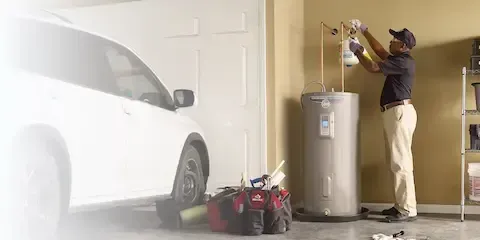
Water Heater Installation in Auburn AL: Tank vs Tankless
Understanding Water Heater Options for Auburn Homes
When your water heater fails in Auburn, Alabama, you face an important decision that will affect your household comfort and energy costs for years to come. The choice between tank and tankless water heaters involves understanding your family's hot water usage patterns, available utility connections, and budget considerations.
Traditional tank water heaters store 30 to 80 gallons of heated water in an insulated cylinder, maintaining temperature through continuous heating cycles. These units typically last 8 to 12 years and provide immediate hot water delivery to multiple fixtures simultaneously. Tank heaters work well for families with predictable usage patterns and moderate simultaneous demand.
Tankless water heaters, also called on-demand systems, heat water instantly as it flows through the unit. These compact systems can last 15 to 20 years and only consume energy when hot water flows. However, they require higher upfront investment and may struggle with simultaneous high-demand situations without proper sizing.
Your Auburn home's existing infrastructure plays a crucial role in determining the best option. Gas lines, electrical capacity, venting requirements, and available installation space all influence which system works best for your situation.
Tank Water Heater Installation Considerations
Tank water heaters remain the most common choice for Auburn homeowners due to their lower upfront costs and straightforward installation process. Gas models typically cost $800 to $1,500 for the unit, while electric versions range from $500 to $1,200. Installation labor adds another $300 to $800 depending on complexity.
Gas tank water heaters require proper venting to exhaust combustion gases safely outdoors. Auburn's building codes mandate specific clearances around gas appliances and approved venting materials. Standard atmospheric venting works for most installations, but power venting may be necessary for challenging locations or longer vent runs.
Electric tank models need adequate electrical service capacity. Most residential units require 240-volt circuits with 30 to 50-amp breakers. Older Auburn homes may need electrical upgrades to accommodate modern high-efficiency electric water heaters safely.
Recovery time represents a key performance factor for tank systems. Gas units typically heat water faster than electric models, with 40-gallon gas tanks recovering in 30 to 40 minutes compared to 60 to 90 minutes for electric units. This difference matters significantly for larger households with heavy hot water usage.
Professional water heater installation ensures proper connections, code compliance, and warranty protection. Auburn's permit requirements vary based on system type and installation complexity, making professional installation advisable for most situations.
Tankless Water Heater Installation Requirements
Tankless water heater installation in Auburn presents unique challenges that require careful planning and professional expertise. These systems demand higher gas input rates or electrical loads compared to tank models, often necessitating utility service upgrades.
Gas tankless units require minimum gas line sizes to deliver adequate fuel flow. Many existing Auburn homes have undersized gas lines that need upgrading from 1/2-inch to 3/4-inch or larger diameter pipes. This upgrade can add $500 to $1,500 to installation costs depending on distance and complexity.
Venting requirements for gas tankless systems differ significantly from tank models. These units typically require Category III stainless steel venting materials and specific termination requirements. The venting system must handle higher temperature exhaust gases and condensation removal.
Electric tankless systems need substantial electrical upgrades in most Auburn homes. Whole-house electric tankless units may require 150 to 200-amp electrical services with multiple 240-volt circuits. Point-of-use electric tankless heaters offer more manageable electrical requirements but only serve single fixtures.
Proper sizing becomes critical for tankless performance. Undersized units cannot meet simultaneous demand, while oversized systems waste energy and money. Professional load calculations consider fixture types, usage patterns, and incoming water temperature to determine appropriate sizing.
Installation location affects performance and maintenance access. Tankless units work best in conditioned spaces with adequate combustion air and service clearances. Outdoor installation requires freeze protection measures appropriate for Auburn's climate conditions.
Comparing Long-Term Operating Costs
Energy efficiency differences between tank and tankless systems significantly impact long-term operating costs for Auburn homeowners. Understanding these differences helps justify higher upfront investments in efficient equipment.
Tank water heaters experience standby losses as stored water cools and requires reheating. Standard efficiency tank models lose 10 to 20 percent of their energy input to standby losses. High-efficiency tank models with better insulation reduce these losses but cannot eliminate them entirely.
Tankless systems eliminate standby losses by heating water only on demand. However, they experience cycling losses as the heat exchanger warms up for each activation. Short draws may waste energy as heated water remains in the unit after use stops.
Auburn's moderate climate affects water heater efficiency differently than extreme temperature regions. Incoming groundwater temperatures around 65°F year-round provide consistent baseline conditions for both system types. This stability benefits tankless performance compared to northern climates with significant seasonal variations.
Natural gas costs in Auburn typically favor gas-fired systems over electric models. Current utility rates show gas providing approximately 30 to 40 percent lower operating costs compared to electric resistance heating. Heat pump water heaters can narrow this gap but require specific installation conditions.
Maintenance requirements differ between system types. Tank models need annual flushing and periodic anode rod replacement. Tankless units require annual descaling in Auburn's moderately hard water conditions and periodic cleaning of inlet filters.
Common Installation Mistakes and How to Avoid Them
Water heater installation mistakes can create safety hazards, code violations, and premature equipment failure. Understanding common problems helps Auburn homeowners avoid costly corrections and ensures proper system operation.
Improper venting represents the most serious tank water heater installation error. Inadequate draft, blocked venting, or wrong materials can cause carbon monoxide accumulation or fire hazards. Auburn's building codes specify exact venting requirements that must be followed precisely.
Undersized gas lines frequently cause performance problems with both tank and tankless systems. Inadequate gas pressure reduces heating capacity and can damage equipment over time. Professional gas line sizing calculations ensure adequate fuel delivery for optimal performance.
Electrical connections require careful attention to code requirements and safety procedures. Wrong wire sizes, inadequate grounding, or improper disconnect switches create fire risks and code violations. Auburn electrical permits help ensure proper installation practices.
Temperature and pressure relief valve installation must follow manufacturer specifications exactly. Wrong valve ratings, improper mounting, or missing discharge piping can prevent proper safety operation. These valves protect against dangerous pressure buildup in tank systems.
Expansion tank installation becomes mandatory in closed plumbing systems common in newer Auburn homes. Missing or undersized expansion tanks cause premature water heater failure and potential property damage from excessive pressure.
For comprehensive guidance on installation best practices, consult the 24/7 emergency response overview to understand when professional help becomes necessary during water heater problems.
Auburn Building Code and Permit Requirements
Auburn's building codes establish specific requirements for water heater installation that ensure safety and proper operation. Understanding these requirements helps homeowners plan installations and avoid costly corrections.
Permit requirements vary based on installation type and complexity. Simple tank replacements in existing locations typically need plumbing permits, while major system changes may require electrical and mechanical permits as well. Auburn's permit office provides specific guidance for individual situations.
Clearance requirements protect water heaters from damage and ensure safe operation. Gas units need specific distances from combustible materials, electrical panels, and other equipment. Electric models require adequate service access and ventilation.
Seismic restraint requirements apply to all water heater installations in Auburn. Proper strapping prevents tank movement during earthquakes and protects connected piping from damage. Specific strapping materials and attachment methods are required by code.
Drain pan requirements apply to indoor installations where water damage could occur. Pan sizing, materials, and drain connections must meet code specifications. Proper pan installation prevents property damage from tank leaks or relief valve discharge.
Gas appliance installation codes address fuel connections, venting, and combustion air requirements. Licensed gas technicians must perform gas line connections and system testing. Improper gas work creates serious safety hazards that require professional correction.
Professional Installation Benefits
Professional water heater installation provides numerous advantages that justify the additional cost for most Auburn homeowners. Experienced installers understand local codes, proper techniques, and safety requirements that ensure reliable operation.
Code compliance becomes guaranteed with professional installation. Licensed plumbers understand Auburn's specific requirements and obtain necessary permits. This compliance protects homeowners from liability issues and ensures insurance coverage in case of problems.
Warranty protection requires professional installation for most water heater manufacturers. DIY installations often void equipment warranties, leaving homeowners responsible for repair costs. Professional installation maintains full warranty coverage throughout the equipment life.
Safety considerations make professional installation essential for gas systems. Improper gas connections, venting, or electrical work can create fire hazards or carbon monoxide risks. Licensed technicians have training and tools to ensure safe installations.
Time savings benefit homeowners who lack plumbing experience or tools. Professional installations typically complete in 2 to 4 hours compared to full days for DIY attempts. This efficiency minimizes hot water disruption for busy families.
Problem diagnosis helps when existing conditions complicate installation. Experienced installers can identify and correct issues like inadequate gas pressure, electrical problems, or venting restrictions that might not be obvious to homeowners.
Making the Right Choice for Your Auburn Home
Selecting between tank and tankless water heaters requires evaluating your specific situation, usage patterns, and long-term goals. Auburn homeowners benefit from understanding how local conditions affect each system type's performance and costs.
Family size and usage patterns strongly influence the best choice. Large families with simultaneous hot water demand may prefer tank systems for their high flow rates and immediate availability. Smaller households with sequential usage patterns often benefit from tankless efficiency.
Available space affects installation options significantly. Tankless systems require minimal space and can mount on walls, freeing floor space for other uses. However, they need adequate clearances for service access and proper combustion air supply.
Budget considerations include both upfront and long-term costs. Tank systems offer lower initial investment but higher operating costs over time. Tankless systems require higher upfront investment but provide energy savings that accumulate over their longer service life.
Future home plans influence the best choice for your situation. Homeowners planning to stay long-term benefit more from tankless efficiency gains. Those planning to move within a few years may prefer tank systems' lower upfront costs and universal appeal to buyers.
Need this handled now? Our water heater installation team in Auburn, AL covers it, and Failing Water Heater Warning Signs for Auburn AL Homes walks through a related scenario.
