Water Line Repair in Auburn AL: Yard to Home Connection
Water line problems between your meter and home can disrupt daily life and cause significant property damage if left unaddressed. From sudden pressure drops to water pooling in your yard, these issues require immediate professional attention to prevent costly complications. Understanding the repair process, local regulations, and when to call for help ensures your Auburn home maintains reliable water service.
Understanding Water Line Systems in Auburn Homes
The water service line connecting your meter to your home represents a critical infrastructure component that most homeowners rarely consider until problems arise. This underground pipeline typically runs 3 to 6 feet below ground level, depending on local frost line requirements and Auburn city codes. The line usually consists of copper, PVC, or older galvanized steel materials, with newer installations favoring PEX or high-density polyethylene for improved durability.
Auburn Water Works maintains responsibility for the main water lines and the meter itself, while property owners handle everything from the meter to the house. This division of responsibility becomes crucial when determining who pays for repairs and which permits are required. The connection point at your meter typically includes a shutoff valve that allows for service isolation during repairs.
Most water lines in Auburn neighborhoods installed before 1980 used copper or galvanized steel, materials that show increasing failure rates as they age. Environmental factors specific to Auburn's clay soil composition can accelerate corrosion, particularly where dissimilar metals connect. Modern replacement materials like PEX offer superior resistance to ground conditions while maintaining flexibility during soil movement.
Common Water Line Problems and Symptoms
Recognizing early warning signs can prevent minor issues from becoming major excavation projects. Low water pressure throughout your home often indicates line restrictions from mineral buildup or partial collapses. However, pressure problems isolated to specific fixtures typically point to internal plumbing rather than the main service line.
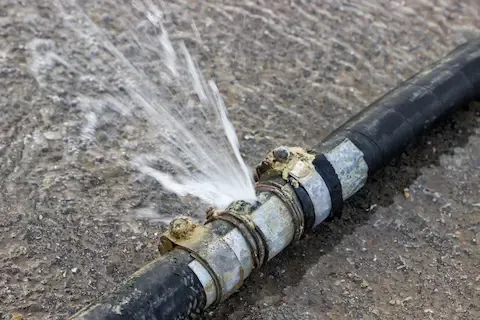
Visible water pooling in your yard, especially near the meter or along the suspected line path, signals active leaks requiring immediate attention. These leaks can undermine foundations, kill landscaping, and create sinkholes. During Auburn's wet seasons, distinguishing between leak-related pooling and natural drainage issues requires professional assessment.
Discolored water, particularly rust-colored or muddy appearances, suggests line integrity problems or contamination from surrounding soil. While temporary discoloration after municipal maintenance is normal, persistent issues indicate your service line needs evaluation. Unusual tastes or odors accompanying discolored water require immediate professional diagnosis.
Unexplained increases in water bills often reveal hidden leaks that haven't yet surfaced. Even small leaks can waste hundreds of gallons daily, creating substantial utility costs over time. Professional Water Line Repair services use specialized equipment to locate these hidden problems before they cause surface damage.
Diagnostic Methods and Technology
Modern leak detection technology has revolutionized water line diagnosis, reducing the need for exploratory excavation. Electronic listening devices can pinpoint leak locations by detecting the characteristic sound signatures of water escaping under pressure. These acoustic methods work particularly well in Auburn's relatively quiet residential areas where background noise doesn't interfere with detection.
Ground-penetrating radar provides detailed images of underground utilities, helping technicians map your water line's exact path and identify structural anomalies. This technology proves especially valuable in Auburn neighborhoods where original installation records may be incomplete or inaccurate. Radar can detect voids around pipes that indicate developing problems before complete failures occur.
Pressure testing isolates your service line from the municipal system to determine if problems exist within your property's plumbing. Professional technicians use calibrated gauges to measure pressure retention over specific time periods, identifying leaks too small for visual detection. Advanced techniques like thermal and acoustic leak finding can locate problems without any excavation.
Video inspection through existing access points sometimes allows direct visual assessment of line conditions. While full-length video inspection requires specialized equipment and favorable line conditions, this method provides definitive information about internal pipe conditions and specific failure points.
Repair Methods and Techniques
Traditional excavation remains necessary for many water line repairs, particularly when complete line replacement is required. Professional contractors use precise excavation techniques to minimize landscape damage while providing adequate working space for quality repairs. Hand digging around the damaged section protects surrounding utilities and reduces restoration costs.
Trenchless repair methods offer alternatives for specific situations, though their applicability depends on soil conditions, line depth, and damage extent. Pipe bursting techniques can replace entire lines by pulling new materials through the existing path, eliminating most excavation. However, Auburn's clay soil and existing line materials may limit trenchless options in some installations.
Sectional repairs address localized damage without full line replacement, using couplings, sleeves, or patches appropriate for your existing pipe material. These repairs can provide reliable long-term solutions when the surrounding line remains in good condition. Professional assessment determines whether sectional repairs represent cost-effective solutions or temporary measures before eventual replacement.
Emergency repairs focus on stopping immediate water loss and restoring basic service while permanent solutions are planned. Temporary bypasses or quick-connect fittings can restore water service within hours, allowing time for proper permitting and material procurement for permanent repairs.
Permitting and Code Compliance
Auburn building codes require permits for most water line work, particularly when modifications affect the connection to city water systems. Permit requirements ensure repairs meet current safety standards and provide documentation for future reference. Professional contractors handle permit applications and coordinate required inspections throughout the repair process.
Backflow prevention requirements have evolved significantly in recent years, with Auburn Water Works requiring specific devices and testing protocols. New water line installations must include appropriate backflow prevention measures, and existing lines may require upgrades during major repairs. These requirements protect the municipal water supply from contamination risks.
Excavation near other utilities requires coordination with Alabama 811 for utility location services. Professional contractors must obtain clearances before digging and follow specific protocols when working near gas, electric, or telecommunications lines. Failure to follow these requirements can result in service interruptions, safety hazards, and significant liability issues.
Restoration requirements specify how excavated areas must be returned to original conditions, including soil compaction, surface replacement, and landscaping restoration. Auburn's specifications for public right-of-way work differ from private property requirements, necessitating careful attention to jurisdiction boundaries during planning.
Cost Factors and Considerations
Water line repair costs vary significantly based on depth, accessibility, soil conditions, and repair complexity. Simple sectional repairs in easily accessed areas typically cost less than full line replacements requiring extensive excavation. Auburn's clay soil can increase excavation difficulty and time requirements, affecting overall project costs.
Material selection impacts both immediate costs and long-term reliability. While copper remains more expensive initially, its proven longevity in Auburn's soil conditions may justify the investment. PEX and HDPE alternatives offer cost savings and superior performance in specific applications. Professional contractors can evaluate your situation to recommend optimal material choices.
Restoration costs often exceed the actual repair work, particularly when lines run under driveways, sidewalks, or landscaped areas. Planning restoration work during appropriate seasons can reduce costs and improve results. Some insurance policies may cover water line repairs, depending on the cause and your specific coverage terms.
Emergency repair premiums reflect the urgent nature of water line failures and the need for immediate response. While emergency services cost more, they prevent property damage and water waste that could far exceed the premium charges. Preventive maintenance and early problem identification help avoid emergency situations entirely.
Professional Selection and Service Quality
Choosing qualified contractors requires verification of licensing, insurance, and experience with water line work specifically. Auburn's soil conditions and municipal requirements demand expertise beyond general plumbing knowledge. Contractors should demonstrate familiarity with local codes, permit processes, and Auburn Water Works coordination requirements.
Quality indicators include proper diagnostic equipment, appropriate excavation tools, and established relationships with local suppliers and inspectors. Professional contractors maintain liability insurance adequate for underground utility work and provide written warranties covering both materials and workmanship. References from recent Auburn projects provide insight into work quality and customer satisfaction.
Service guarantees should cover both the immediate repair and related restoration work. Reputable contractors stand behind their work with specific warranty terms addressing different aspects of the project. Clear communication about project timelines, permit requirements, and potential complications demonstrates professional competence and customer focus.
Emergency availability becomes crucial when water line failures occur outside normal business hours. Contractors serving Auburn should provide reliable emergency response with appropriate diagnostic and repair capabilities. Some situations require immediate temporary repairs followed by permanent solutions during regular business hours.
