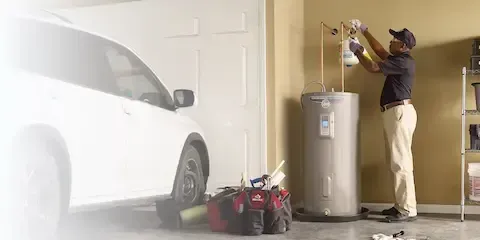
Failing Water Heater Warning Signs for Auburn AL Homes
Your water heater works quietly in the background until it doesn't. Most Auburn homeowners discover their unit has failed when they step into an ice-cold shower on a busy morning. However, failing water heaters send clear warning signals weeks or months before complete breakdown. Recognizing these early signs saves you from emergency repairs and helps you plan for replacement on your timeline rather than your water heater's.
Temperature Issues Signal Internal Problems
Water temperature inconsistencies are among the first indicators of internal water heater problems. When your unit struggles to maintain consistent hot water temperatures, several issues could be developing simultaneously.
Lukewarm water throughout your Auburn home suggests sediment buildup at the tank bottom or a failing heating element. Sediment acts as insulation between the heating source and water, forcing your system to work harder while delivering less heat. Electric units with burned-out elements cannot heat water properly, while gas units may have pilot light or thermostat issues.
Water that starts hot but quickly turns cold indicates insufficient tank capacity for your household needs or a damaged dip tube. The dip tube directs cold water to the tank bottom for heating. When cracked or broken, cold water mixes with hot water at the top, reducing overall temperature.
Scalding hot water poses safety risks and signals thermostat malfunction. Temperature spikes occur when thermostats fail to regulate heating cycles properly, potentially damaging internal components and creating dangerous conditions for family members.
Strange Noises Indicate Mechanical Stress
Unusual sounds from your water heater reveal internal mechanical stress and component wear. Auburn homeowners should pay attention to these audio warning signs before they escalate into major failures.
Rumbling or popping sounds typically indicate sediment accumulation at the tank bottom. As water heats beneath sediment layers, steam bubbles form and burst, creating characteristic popping noises. This sediment layer forces your system to work harder, increases energy costs, and accelerates tank deterioration.
Knocking or hammering sounds suggest loose heating elements in electric units or expansion and contraction stress in tank walls. These sounds often accompany temperature fluctuations and indicate internal component failure.
Hissing or sizzling noises may signal water dripping onto heating elements or gas burner components. This condition creates safety hazards and suggests tank leaks or internal condensation problems that require immediate professional attention.
Crackling sounds from gas units could indicate pilot light issues, gas flow problems, or combustion irregularities. These symptoms require prompt inspection by qualified technicians to ensure safe operation.
Visual Warning Signs Around Your Unit
Physical evidence around your water heater provides clear indicators of impending failure. Regular visual inspections help Auburn residents catch problems before they become emergencies.
Rust or corrosion on the tank exterior indicates advanced deterioration. Surface rust may seem cosmetic, but it often signals internal corrosion that compromises tank integrity. Brown or reddish water from hot water taps confirms internal tank corrosion.
Water pooling around the unit base suggests tank leaks, loose connections, or pressure relief valve discharge. Even small puddles indicate significant problems that worsen rapidly without intervention.
Discolored water from hot water taps signals internal tank corrosion or sediment disturbance. Brown, yellow, or metallic-tasting hot water indicates your tank lining has deteriorated and requires replacement.
White or mineral deposits around fittings, valves, or the tank base indicate chronic leaking and mineral buildup. These deposits form when small leaks evaporate, leaving mineral residue that confirms ongoing problems.
For comprehensive solutions to these issues, consider Water Heater Installation services that ensure proper system replacement and optimal performance for your Auburn home.
Performance Decline Patterns
Gradual performance changes often precede complete water heater failure. Understanding these patterns helps Auburn homeowners recognize when replacement becomes necessary rather than continuing expensive repairs.
Reduced hot water quantity indicates tank capacity loss due to sediment buildup or internal damage. When your family notices shorter showers or running out of hot water during normal usage, your tank cannot store or heat water effectively.
Longer recovery times between hot water usage cycles suggest heating element problems or thermostat issues. Healthy water heaters restore hot water within 30-60 minutes after heavy usage, depending on tank size and fuel type.
Increased energy bills without corresponding usage changes indicate efficiency loss. Failing water heaters consume more energy while producing less hot water, creating noticeable utility bill increases over several months.
Frequent pilot light outages in gas units signal thermocouple problems, gas line issues, or ventilation problems. While individual outages might seem minor, recurring issues indicate system deterioration requiring professional evaluation.
Age-Related Deterioration Signs
Water heater age significantly influences failure probability and repair viability. Most residential units last 8-12 years with proper maintenance, but Auburn's mineral-rich water can accelerate deterioration.
Units approaching 8-10 years old require closer monitoring for failure signs. Even well-maintained older systems develop internal wear that increases breakdown risk. Original warranty expiration often coincides with major component failures.
Frequent repair needs in aging units indicate systemic deterioration rather than isolated problems. When repair costs approach 50% of replacement cost, replacement becomes more economical than continued maintenance.
Manufacturing date information appears on unit labels or nameplates. If you cannot locate this information or if the unit predates your home purchase, assume advanced age and monitor closely for failure signs.
For detailed guidance on replacement options and timing, explore the tank vs tankless overview to understand modern alternatives that better serve Auburn households.
Safety Concerns Requiring Immediate Action
Certain water heater warning signs create immediate safety hazards requiring professional intervention. Auburn homeowners should never ignore these critical symptoms.
Gas odors around gas units indicate potential gas leaks or combustion problems. Turn off the gas supply, evacuate the area, and contact emergency services immediately. Never attempt repairs on gas appliances without proper training.
Electrical burning smells from electric units suggest wiring problems, overheating elements, or electrical shorts. Shut off power at the circuit breaker and contact qualified electricians immediately.
Pressure relief valve discharge creates scalding water hazards and indicates dangerous pressure buildup. This safety device activates when internal pressure or temperature exceeds safe limits, requiring immediate professional evaluation.
Carbon monoxide symptoms in family members, including headaches, dizziness, or nausea, may indicate improper gas unit ventilation. Install carbon monoxide detectors near your water heater and throughout your Auburn home for early warning protection.
Taking Action on Warning Signs
Recognizing water heater warning signs allows Auburn homeowners to plan replacements strategically rather than react to emergency failures. Document symptoms, monitor progression, and consult qualified professionals when multiple warning signs appear simultaneously.
Professional inspections provide accurate assessments of remaining unit life and repair viability. Experienced technicians identify problems homeowners miss and recommend cost-effective solutions based on unit age, condition, and household needs.
Planning replacement during moderate weather seasons ensures comfortable installation conditions and may provide cost savings through off-season promotions. Emergency replacements during extreme weather often cost more and limit equipment options.
