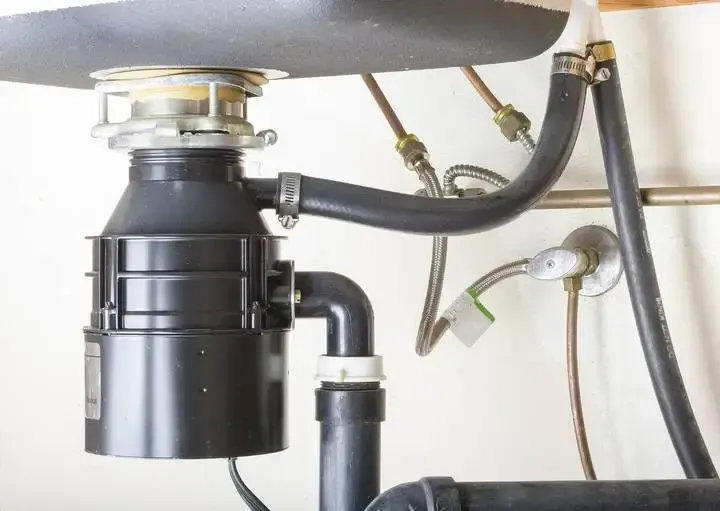
What Not to Put Down Your Auburn AL Garbage Disposal
Knowing what not to put down your Auburn, AL garbage disposal can prevent jams, clogs, and costly repairs. Avoid putting grease, fibrous vegetables, coffee grounds, eggshells, starchy foods, and hard bones down the drain. These items either coat the grinder components, wrap around the blades, or solidify inside the drainpipe. Your disposal is designed for small, soft food scraps rinsed away with running water — not as a general food waste solution. Following a few simple rules keeps your unit running longer and your kitchen drain clear.
Why Do Certain Foods Damage a Garbage Disposal?
Most disposal damage comes from food items that grind poorly, expand with water, or coat mechanical parts over time. Auburn homeowners often assume the disposal can handle almost anything if you run enough water. That assumption leads to jams, burned motors, and blocked drainlines. The grinder assembly inside your disposal uses spinning impellers — not sharp blades — to break down food. Anything fibrous, sticky, or hard puts extra strain on those impellers and the motor driving them. Over months of misuse, even a high-quality unit will wear out early. Understanding why specific foods cause harm makes it easier to build better kitchen habits before you need Garbage Disposal Repair.
What Happens When You Put Grease or Cooking Oil Down the Disposal?
Grease is one of the most damaging substances for any kitchen drain, and the disposal provides no protection. When hot grease enters the disposal and drainpipe, it flows freely at first. As it cools, it solidifies and sticks to the interior walls of the pipe. Over time, this buildup narrows the pipe diameter and traps other food particles passing through. The result is a slow drain that eventually blocks completely. Even flushing with hot water does not fully clear grease — it only pushes it further down the line where it re-solidifies. Pour cooled grease into a sealed container and dispose of it in the trash instead.
Which Fibrous Vegetables Should Stay Out of the Disposal?
Fibrous vegetables like celery stalks, asparagus, artichokes, and corn husks are among the most common causes of Auburn disposal jams. The long stringy fibers in these vegetables wrap around the impeller shaft rather than breaking apart. Once wrapped, the motor struggles to spin and can overheat or trip the reset switch on the bottom of the unit. Leafy greens like lettuce and kale can also cause issues in large quantities because they clump together and create a dense mat inside the grinding chamber. Composting fibrous vegetable scraps or tossing them in the trash is the safer choice for your plumbing.
Are Coffee Grounds and Eggshells Really a Problem?
You may have heard that coffee grounds sharpen disposal blades or that eggshells clean the unit. Both are myths. Coffee grounds feel gritty and seem harmless individually, but they accumulate quickly. Inside a drainpipe, coffee grounds settle and compact into a sludge that narrows the line and creates a chronic slow-drain problem. Eggshells present a different issue. The thin membrane just inside the shell can wrap around the impeller shaft, and the crushed shell material itself adds sandy grit to the drain that builds up over time. Toss both in the compost or trash to protect your Auburn kitchen plumbing.
What About Starchy or Expandable Foods?
Pasta, rice, oatmeal, and potato peels all share a dangerous quality: they expand when they absorb water. A small amount of pasta that fits easily through the disposal can absorb moisture inside the trap or drainline and swell into a dense blockage. Potato peels are particularly problematic because they are thin enough to slip past the impellers but starchy enough to form a paste when they accumulate. That paste coats the interior of your pipes the same way grease does. If you regularly cook starches at home, scrape plates into the trash before rinsing them in the sink.
Can Hard Items Like Bones or Fruit Pits Damage the Motor?
Hard objects like chicken bones, fruit pits, and shellfish shells require far more torque than a standard residential disposal can generate. Attempting to grind them will either jam the unit immediately or chip and damage the impellers over repeated attempts. A jammed disposal that cannot reset is often misread as a motor problem, but the real cause is a hard object lodged in the grinding chamber. If you notice your disposal humming without spinning, a hard food item may already be the culprit. Learn more about why a disposal hums but won't spin and what steps to take before calling for service.
What Can You Safely Put Down the Disposal?
The disposal works best with small, soft food scraps that break down easily with water. Safe items include small amounts of cooked meat scraps, soft fruit pieces without pits, vegetable peelings from non-fibrous vegetables like zucchini or cucumber, and ice cubes used occasionally to clean the chamber. Always run cold water before, during, and after using the disposal. Cold water keeps any fats that enter the unit in solid form so they grind and flush rather than coating the pipe. Avoid overloading the unit — feed scraps in small amounts rather than dumping an entire plate at once.
When Should Auburn Residents Call a Plumber?
If your disposal jams frequently, drains slowly, makes unusual grinding noises, or leaks beneath the sink, it is time to have a professional evaluate the unit. Some issues like a tripped reset button or a minor jam can be resolved at home. Persistent problems usually indicate internal wear, a damaged impeller, or a blockage deeper in the drainline that a disposal reset will not fix. Auburn, AL homeowners who have older units may find that repair costs approach the price of a new installation. A licensed plumber can assess the unit and give you an honest recommendation on whether repair or replacement makes more sense for your situation.
