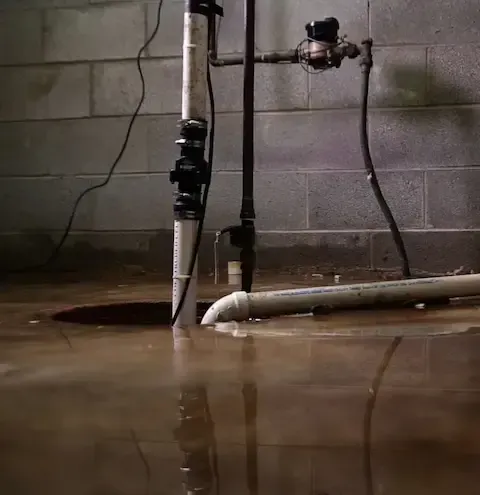
Where to Find Your Main Water Shutoff in Auburn AL
Your main water shutoff valve is the single switch that stops all water flow into your Auburn, AL home. In most Auburn houses, you'll find it in one of three places: along the front foundation wall of a crawl space or basement, inside a utility closet near the water heater, or in a buried meter box at the curb in front of the property. Knowing its exact location before a pipe bursts means the difference between a quick fix and a flooded slab. Walk your home now, locate the valve, and confirm it turns freely.
Step 1: Check the Front Foundation Wall or Crawl Space
In older Auburn neighborhoods like Cary Woods or Richland, homes often have a crawl space beneath the floor. The main shutoff in these houses typically sits where the municipal supply line enters through the front foundation wall. Bring a flashlight and look for a gate valve or ball valve mounted on a pipe coming through the concrete block. If the handle is perpendicular to the pipe, water is flowing. Turn it a quarter turn so the handle is parallel to stop flow completely. If the valve feels stiff or corroded, do not force it—call a plumber before an emergency occurs.
Step 2: Look Near the Water Heater or Utility Closet
Many newer Auburn subdivisions, including developments near Donahue Drive or Tiger Town, route the supply line into the home through a garage wall or an interior utility closet. The main shutoff in these layouts is usually within a few feet of the water heater. It may be labeled, but often it is not. Look for a full-bore ball valve—a lever handle rather than a round wheel—on the cold water supply line before it branches to any fixtures. Test it now by turning it off and checking that water stops at all taps, then reopen it fully.
Step 3: Locate the Curb Stop at the Street Meter Box
Every Auburn, AL property serviced by the Auburn Water Works Board has a meter box buried near the curb or sidewalk. Inside is a curb stop valve that also shuts off the entire supply to your home. Locate the rectangular or round plastic lid in the ground near the street, lift it with a flathead screwdriver, and look for the valve stem inside. Turning this valve requires a special meter key or a long-handled utility tool—standard wrenches will not reach it. This is your backup option when the interior valve fails or cannot be found. For Emergency Plumbing situations involving a burst main line inside the wall, the curb stop may be your only immediate option.
Step 4: Test the Valve Before an Emergency Happens
Once you find the valve, verify it actually works. Shut it off completely and open the cold tap at any sink. Water should slow to a trickle and stop within seconds. If water continues to flow at full pressure, the valve is failing and needs replacement—a straightforward job for a licensed plumber but impossible to complete in the middle of a flooding event. Ball valves last longer than gate valves and are worth the upgrade if your home still has the older wheel-style hardware. Understanding what causes a sewer backup is also useful context, since drain line failures sometimes accompany supply line problems and compound water damage quickly.
Step 5: Mark the Location and Tell Your Household
After you confirm the valve works, label it. A strip of red electrical tape and a handwritten tag reading "MAIN SHUTOFF" is enough. Make sure every adult in your Auburn home knows where it is and how to operate it. If you have a property manager or rent the home out, put the valve location in writing. In a real leak emergency, seconds matter—a person who has never seen the valve should be able to find and close it without assistance. Keep the area around the valve clear of stored items so it is always accessible.
