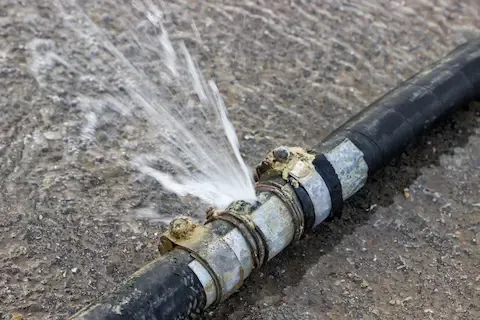
Pressure Reducing Valve Failure in Auburn AL Homes
A pressure reducing valve (PRV) controls the water pressure entering your Auburn home from the municipal water system. When this valve fails, Auburn Water Works' standard 80-100 PSI supply pressure flows directly into your home's plumbing without reduction, creating immediate stress on every pipe joint, fixture, and appliance connection throughout your property.
Understanding Pressure Reducing Valve Function
Your home's PRV sits on the main water line where it enters your property, typically near the water meter or at the foundation wall. This device reduces Auburn's municipal water pressure from 80-100 PSI down to a safer 40-60 PSI for residential plumbing systems. The valve contains an internal spring mechanism and diaphragm that automatically adjusts water flow to maintain consistent pressure regardless of demand fluctuations.
Auburn homes built after 1995 generally include PRVs as standard equipment, while older properties may have had them installed during plumbing upgrades. The valve protects your entire plumbing system from excessive pressure that can cause premature wear, joint failures, and appliance damage.
Recognizing PRV Failure Symptoms
Failed pressure reducing valves create distinct problems that homeowners notice quickly. Water hammering becomes pronounced when faucets close rapidly, creating loud banging sounds in walls as pipes vibrate under excessive pressure. Toilet fill valves start running continuously as high pressure prevents proper sealing mechanisms from engaging.
Faucet aerators begin spraying erratically as 100+ PSI overwhelms the flow restrictors designed for 50 PSI operation. Hot water heater temperature and pressure relief valves may discharge periodically as thermal expansion combines with excessive line pressure. Washing machine hoses show stress at connection points, sometimes developing small leaks or bulging areas.
The most reliable indicator involves testing water pressure at multiple fixtures using a pressure gauge. Readings consistently above 80 PSI throughout your Auburn home indicate PRV failure or malfunction.
Emergency Indicators
Certain symptoms require immediate attention before extensive damage occurs. Multiple small leaks appearing simultaneously at fixture connections suggest sudden pressure increases overwhelming joint integrity. Appliances like dishwashers or ice makers stopping normal operation often results from pressure switches triggered by excessive line pressure.
If your Water Line Repair system shows signs of stress, rapid professional evaluation prevents costly secondary damage throughout your home's plumbing infrastructure.
Common Failure Causes
PRV failure typically stems from internal component deterioration rather than external damage. The internal diaphragm develops small tears or hardens with age, preventing proper pressure regulation. Spring mechanisms weaken over time, especially in Auburn's variable seasonal conditions where thermal expansion and contraction stress metal components.
Sediment accumulation from Auburn's water supply can jam the valve's moving parts, causing it to stick in open positions. High mineral content in local groundwater creates scale buildup that interferes with smooth valve operation. Some failures result from manufacturing defects that become apparent after several years of normal operation.
Water hammer from other plumbing issues can damage PRV internal components through repeated pressure spikes. Improper initial installation, particularly incorrect pressure settings, can accelerate wear patterns and reduce valve lifespan significantly.
Pressure Testing and Diagnosis
Accurate diagnosis requires systematic pressure testing at multiple points in your Auburn home's plumbing system. Testing begins at the PRV outlet using a pressure gauge attached to a hose bib or washing machine connection. Normal readings should fall between 40-60 PSI with minimal fluctuation during water use cycles.
Compare readings taken at different times of day, as Auburn's municipal pressure can vary with demand patterns. Early morning and late evening typically show higher pressures when neighborhood usage decreases. Testing during peak usage periods like weekday mornings provides baseline readings under normal operating conditions.
Professional diagnosis includes examining the PRV adjustment screw position and testing pressure both upstream and downstream of the valve. Internal bypass testing determines whether the valve mechanism has failed completely or simply requires adjustment.
Replacement Considerations
PRV replacement involves more complexity than simple valve swapping due to Auburn's specific water conditions and local code requirements. New valves must match your home's pipe size, typically 3/4-inch or 1-inch for residential applications. Pressure settings require calibration based on your home's elevation relative to Auburn Water Works' distribution system.
Quality replacement valves include adjustable pressure settings, integral bypass features for maintenance, and corrosion-resistant internal components suited to Auburn's water chemistry. Installation requires temporary water service interruption and may involve permit requirements depending on your property's specific circumstances.
For comprehensive information about related water system issues, review our the yard-to-home water line repair overview which covers broader infrastructure concerns affecting Auburn homes.
Professional Installation Requirements
PRV installation in Auburn requires compliance with local plumbing codes and water authority regulations. Professional installation ensures proper valve sizing, pressure calibration, and code-compliant connections that prevent future problems. Licensed technicians understand Auburn's water pressure variations and can adjust settings for optimal performance.
Installation includes pressure testing both before and after valve replacement to verify proper operation. Professional work typically includes warranties covering both parts and labor, providing protection against premature failure or installation defects.
Preventive Maintenance
Regular PRV maintenance extends valve life and prevents unexpected failures. Annual pressure testing helps identify gradual performance degradation before complete failure occurs. Visual inspection of the valve housing and connections can reveal external corrosion or damage requiring attention.
Monitoring your Auburn home's water pressure monthly using a simple gauge provides early warning of valve problems. Maintaining consistent pressure readings between 45-55 PSI indicates proper PRV function and protects your entire plumbing system from stress-related damage.
