Drain Maintenance Schedule for Auburn AL Rental Properties
Landlords in Auburn, AL face a predictable challenge every year: the summer turnover rush. Between May and August, thousands of students vacate apartments near Auburn University, and new tenants move in almost immediately. That cycle puts serious stress on plumbing systems, and drains bear the brunt of it. Hair, soap buildup, food scraps, and years of accumulated residue don't disappear on their own. Without a structured drain maintenance schedule, small clogs become slow drains, slow drains become backups, and backups become emergency service calls at the worst possible time.
Why Auburn Rental Properties Need a Seasonal Drain Schedule
Auburn's rental market runs on an academic calendar. Lease cycles typically end in late May and June, with new leases beginning in July and August. That compressed window means property managers are juggling inspections, repairs, cleaning crews, and move-in logistics simultaneously. Drain issues that were minor annoyances for outgoing tenants can turn into serious problems the moment the next occupant moves in and starts using the plumbing at full capacity.
The city's older rental housing stock compounds the problem. Many properties near the Auburn University campus and downtown corridors were built decades ago, with older cast iron or galvanized drain lines that accumulate scale and buildup faster than modern PVC piping. Staying ahead of that accumulation with a consistent schedule is far more cost-effective than reactive repairs.
The Four-Season Framework That Works for Auburn Landlords
A workable drain maintenance schedule doesn't need to be complicated. It needs to be consistent and timed around Auburn's specific rental patterns.
Spring (April–May): Pre-Turnover Inspection
Before outgoing tenants vacate, schedule a drain inspection. Run water through every fixture in the unit, including bathtubs, showers, bathroom sinks, kitchen sinks, and floor drains in laundry areas. Note which drains are sluggish. If a drain takes more than 15 seconds to clear standing water, it needs attention before the next tenant moves in. This is also the right time to check under kitchen sinks for signs of slow leaks that might indicate partial blockages in the P-trap or drain arm.
Summer (June–August): Turnover Cleaning and Professional Service
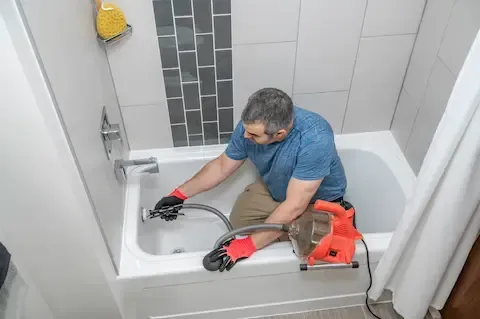
This is the highest-risk window for Auburn rental properties. Between lease cycles, this is when professional drain cleaning makes the most impact. A mechanical snake or hydro jet treatment on bathroom drains removes accumulated hair, soap scum, and mineral deposits before they become active clogs for incoming tenants. If you're managing multiple units in the same building, bundling service calls is more efficient and often more cost-effective.
Understanding the difference between service methods matters here. For a deeper look at which approach fits different situations, the comparison of hydro jetting versus mechanical snaking breaks down when each method is appropriate for residential drain lines.
Fall (September–October): Early Semester Check-In
New tenants have settled in by September, and usage patterns are established. This is a low-key window to remind tenants about drain care — what not to put down kitchen drains, the importance of drain screens in showers, and who to contact if they notice slow drainage. A simple one-page handout or move-in email can prevent a significant portion of mid-lease clogs. You don't need to schedule professional service at this point unless inspection revealed concerns during turnover.
Winter (December–January): Holiday Vacancy Check
Many Auburn student rentals sit partially or fully vacant over the winter break. Dormant drain traps can dry out, allowing sewer gas to enter the unit. Before the spring semester begins, run water through every fixture to recharge the P-traps and check for any slow drains that developed during the semester. If kitchen drains are sluggish, this is a good time for a professional cleaning before the next heavy use cycle begins in January and February.
What Landlords and Property Managers Should Document
Consistent documentation protects you in two ways: it gives you a maintenance record that demonstrates due diligence if a tenant claims a plumbing issue existed at move-in, and it helps you identify patterns across your portfolio. Keep a simple log that includes the date of service, the unit, which drains were serviced, the method used, and any observations from the technician. Over two or three years, you'll start to see which units or drain lines need more frequent attention.
For Auburn properties with shared drain stacks — common in older multi-family buildings near campus — document blockages by location. Recurring clogs in the same stack may indicate a partial obstruction in the main line rather than isolated fixture clogs, which requires a different service approach.
Choosing the Right Service Cadence for Your Portfolio
Not every unit needs professional drain cleaning on the same schedule. A good baseline for Auburn rental properties is annual professional service on kitchen and bathroom drains, timed to the summer turnover window. High-turnover units, older buildings, or properties with a history of drain complaints may benefit from twice-yearly service. Lower-density properties with longer-term tenants and newer plumbing can often extend to every 18 to 24 months with proper tenant communication in between.
Professional Drain Cleaning during the turnover window ensures incoming tenants start fresh, reduces the likelihood of mid-lease emergency calls, and protects the drain lines themselves from the kind of slow buildup that eventually requires more invasive repairs.
Setting Tenant Expectations from Day One
Tenant behavior is a significant driver of drain issues in Auburn rentals. Student tenants in particular may not have experience with kitchen drain care, the impact of flushing non-flushable wipes, or the value of using a drain screen in the shower. Building a brief drain care section into your move-in documentation costs nothing and prevents a meaningful number of service calls. Be specific: no grease down the kitchen drain, use the provided drain screen, report slow drains immediately rather than waiting.
When tenants know what's expected and have a simple way to report issues early, you catch problems before they become expensive. That combination of a structured service schedule and clear tenant communication is what separates a well-maintained Auburn rental portfolio from one that's constantly reacting to plumbing surprises.
